How Waterproofing Protects Your Home from Costly Water Damage
Water is one of the most destructive forces a home can encounter. From sudden downpours to gradual seepage, water infiltrates walls, foundations, and roofs, leading to structural damage, mold growth, and expensive repairs. Despite its potential for devastation, water damage remains a common problem in many households, often caused by overlooked vulnerabilities like cracks in foundations, aging roofing, or inadequate drainage systems. Understanding how to protect a home from water intrusion is essential for maintaining both its structural integrity and long-term value.
Investing in professional waterproofing solutions provides more than just protection—it offers peace of mind. By creating effective barriers against water infiltration, waterproofing prevents small leaks from escalating into significant problems. This proactive approach not only safeguards property but also reduces maintenance costs and enhances overall home safety. For homeowners and property investors alike, understanding the methods, benefits, and best practices of waterproofing is crucial. In this blog, the science, strategies, and practical applications of waterproofing will be explored, demonstrating why it remains one of the most valuable investments in home protection and why overlooking it can lead to significant financial and structural consequences.
1. Understanding the Risks of Water Damage
Hidden Threats in Homes
Water damage does not always appear immediately. Sometimes the first signs are subtle: a faint musty odor, minor discoloration on walls, or warping of wooden surfaces. These early indicators often go unnoticed, allowing water to infiltrate deeper areas, including basements, crawl spaces, and foundations. Over time, untreated moisture weakens concrete, corrodes metal supports, and compromises structural integrity, ultimately creating a hazardous living environment.
Common Sources of Water Damage
Several factors contribute to water intrusion. Heavy rainfall or melting snow can overwhelm drainage systems, causing water to pool around foundations. Cracked or porous walls, improperly sealed windows, or aging roofing allow water to seep into the interior. Even plumbing leaks or malfunctioning gutters can introduce water in hidden areas, gradually causing damage that becomes expensive to repair. Understanding these sources is critical to implementing effective waterproofing strategies.
Financial and Health Implications
Ignoring water threats can result in mounting costs. Structural repairs, mold remediation, and replacement of damaged materials often far exceed the cost of preventive measures. Beyond financial losses, persistent moisture fosters mold growth, which can lead to respiratory issues, allergies, and other health hazards. Homeowners must recognize that water damage is not merely cosmetic; it poses long-term risks to both property value and personal well-being.
2. How Waterproofing Works
Creating Barriers Against Water
Waterproofing functions by establishing physical and chemical barriers that prevent water penetration. Materials such as sealants, membranes, and coatings form a protective layer over surfaces prone to water exposure. Foundations, basements, and exterior walls benefit from these barriers, as they stop moisture from reaching structural components. For roofs and decks, waterproof membranes ensure water flows away from critical areas, reducing the likelihood of leaks.
Types of Waterproofing Methods
Waterproofing can be categorized into several methods depending on the location and level of protection required:
- Exterior Waterproofing: Involves applying protective coatings or membranes on the outside of foundations and walls, often paired with drainage systems to divert water away from the property.
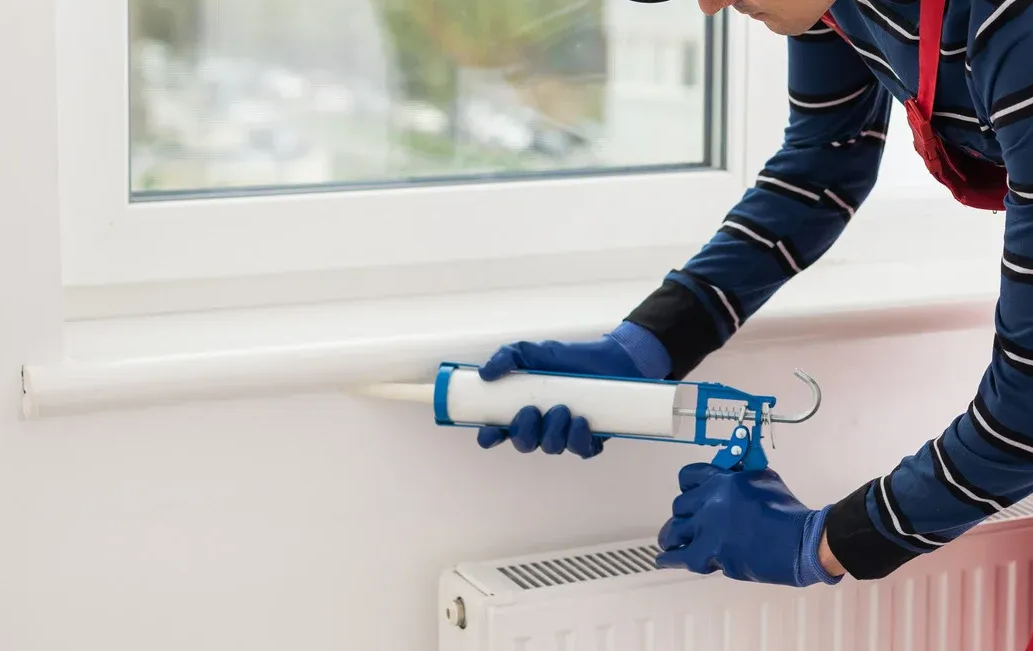
- Interior Waterproofing: Uses sealants and drainage solutions inside basements or crawl spaces to capture water before it causes damage.
- Roof Waterproofing: Utilizes membranes, coatings, and proper slope design to prevent water pooling and infiltration.
- Deck and Balcony Waterproofing: Protects surfaces exposed to weather while preventing leaks into underlying structures.
Understanding which method applies to a specific area ensures optimal protection and prevents overspending on unnecessary measures.
Role of Drainage and Ventilation
Effective waterproofing extends beyond coatings and membranes. Proper drainage channels and ventilation play a key role in preventing water accumulation and moisture retention. Gutters, downspouts, French drains, and vapor barriers reduce the risk of water settling near foundations or under flooring. Combined with high-quality waterproofing materials, these systems create a comprehensive defense against water intrusion.
3. Benefits of Waterproofing
Long-Term Financial Savings
Investing in waterproofing protects the home from costly repairs. Replacing damaged drywall, flooring, or structural components can be expensive, especially if water damage goes unnoticed for months or years. Waterproofing minimizes these risks, extending the lifespan of the building’s structure and reducing recurring maintenance costs. For homeowners seeking long-term savings, preventive waterproofing is a financially prudent choice.
Enhanced Structural Integrity
Moisture compromises the strength of foundations, walls, and floors over time. Waterproofing preserves the integrity of these critical components, preventing cracks, erosion, and weakening of load-bearing elements. By maintaining a stable structure, homes remain safer, more resilient, and better suited to withstand natural elements such as heavy rain, snow, or flooding.
Health and Indoor Air Quality Benefits
By reducing moisture accumulation, waterproofing decreases the likelihood of mold, mildew, and other microbial growth. These organisms can negatively affect indoor air quality, leading to allergies, asthma, and respiratory issues. A well-protected home promotes healthier living conditions and enhances comfort for occupants.
Increased Property Value
Waterproofing is also an investment in property value. Buyers prioritize homes that are structurally sound and free from water-related issues. Homes with proven waterproofing measures appeal to potential buyers, facilitating resale and often commanding higher prices. This makes waterproofing both a protective and strategic financial decision.
4. Challenges and Considerations in Waterproofing
Identifying Vulnerable Areas
Not all areas of a home require the same level of protection. Accurate assessment is essential to identify zones most susceptible to water damage, such as basements, crawl spaces, flat roofs, and exterior walls in flood-prone areas. Overlooking critical points can reduce the effectiveness of waterproofing efforts.
Material Selection and Application
Choosing the correct waterproofing material is crucial. Sealants, membranes, and coatings vary in durability, permeability, and suitability for specific surfaces. Improper application or use of low-quality materials can allow water penetration, negating protective benefits. Expertise in installation ensures that barriers function as intended, providing lasting protection.
Cost and ROI Analysis
While waterproofing involves upfront costs, it should be evaluated against the potential expenses of water damage repairs. Cost-benefit analysis often reveals that high-quality materials and professional installation deliver a strong return on investment. Cutting corners may save money initially but increases the likelihood of future repair costs.
Environmental and Seasonal Factors
Weather conditions and environmental factors influence waterproofing effectiveness. Heavy rainfall, freezing temperatures, or soil movement can stress materials, reducing their lifespan. Choosing solutions designed for local conditions, coupled with periodic inspections, maximizes protection and durability.
5. Best Practices for Effective Waterproofing
Comprehensive Assessment Before Installation
Start with a thorough inspection of the property to identify weak points, water sources, and areas of past damage. Understanding the unique characteristics of the structure allows for targeted waterproofing strategies, ensuring efficient and cost-effective protection.
Layered Protection Approach
Employing multiple waterproofing techniques increases effectiveness. Exterior membranes, interior sealants, and proper drainage systems work together to create a multi-layered defense. This redundancy ensures that if one system fails, others provide backup protection.
Regular Maintenance and Inspections
Even high-quality waterproofing requires routine monitoring. Periodic inspections help identify early signs of wear, such as cracks, peeling coatings, or clogged drainage systems. Timely maintenance extends the life of waterproofing solutions and prevents small issues from escalating into significant damage.
Professional Installation and Consultation
Engaging experts ensures that materials are correctly selected and installed according to industry standards. Professionals bring knowledge of local conditions, building codes, and modern waterproofing technologies, reducing the risk of improper application and maximizing protection.
6. Real-World Examples and Case Studies
Basement Waterproofing Success
Homes with finished basements in flood-prone areas often experience water seepage during heavy rains. Applying exterior membranes and interior drainage systems has proven effective in preventing water entry, reducing maintenance costs, and protecting valuable living spaces.
Roof and Deck Protection
Flat roofs and outdoor decks are highly susceptible to water pooling. Professional waterproofing with high-quality membranes and proper slope design prevents leaks and structural degradation. Homeowners report increased longevity of roofing materials and reduced repair frequency following these interventions.
Mold Prevention Through Moisture Control
In regions with high humidity, even minor leaks can result in extensive mold growth. Waterproofing combined with adequate ventilation mitigates these risks, protecting both property and health. Properties that implemented comprehensive waterproofing experienced fewer insurance claims related to water damage and mold remediation.
Cost Savings and ROI Example
Consider a home that invested $10,000 in professional waterproofing measures. Avoiding repairs due to water damage could exceed $40,000, demonstrating clear financial benefits. These results highlight the long-term value of proactive waterproofing, making it a strategic investment for homeowners.
Reliable Waterproofing Services Backed by TrueSet Expertise
Waterproofing is a critical safeguard against the pervasive threat of water damage. It preserves structural integrity, maintains healthy living conditions, enhances property value, and prevents costly repairs. By understanding potential vulnerabilities, selecting appropriate methods, and adhering to best practices, homeowners can ensure that water does not compromise their property’s safety or longevity.
At TrueSet Construction LLC, 10
years of experience in concrete contracting translates into
expert waterproofing solutions for homes and commercial properties in Lima, Ohio. With ten years of providing reliable, high-quality services, we specialize in protecting structures from water infiltration, reinforcing foundations, and enhancing property durability. Our team delivers tailored solutions designed to address unique challenges, combining professional expertise with the latest materials and techniques. Trusting us ensures peace of mind, long-term cost savings, and the preservation of property value. With a proven track record and commitment to excellence, stands as a reliable partner in safeguarding homes against the risks of water damage.