The Different Paving Options for Driveways, Patios, and Walkways
Paving is more than just a functional element in residential or commercial spaces—it sets the tone for aesthetics, safety, and long-term property value. Driveways, patios, and walkways are high-traffic areas that require durable, visually appealing surfaces to withstand daily use while complementing the surrounding architecture. Selecting the right paving material is essential, as it impacts not only the look and feel of a space but also maintenance costs, longevity, and safety. With a variety of materials available, understanding their features, benefits, and potential limitations becomes critical for making informed decisions that align with design goals and practical needs.
Paving solutions have evolved to include materials that balance performance with visual appeal. From classic concrete and asphalt to decorative options like stamped concrete, natural stone, and pavers, each choice offers unique characteristics suited to specific environments. Homeowners and property developers increasingly prioritize options that are not only durable but also sustainable, versatile, and low-maintenance. Exploring the different paving types, their installation considerations, and performance attributes provides valuable insights for designing driveways, patios, and walkways that are both functional and stylish. This guide dives deep into the most popular paving options, helping navigate choices with clarity and confidence.
Concrete: The Versatile Workhorse
Benefits of Concrete
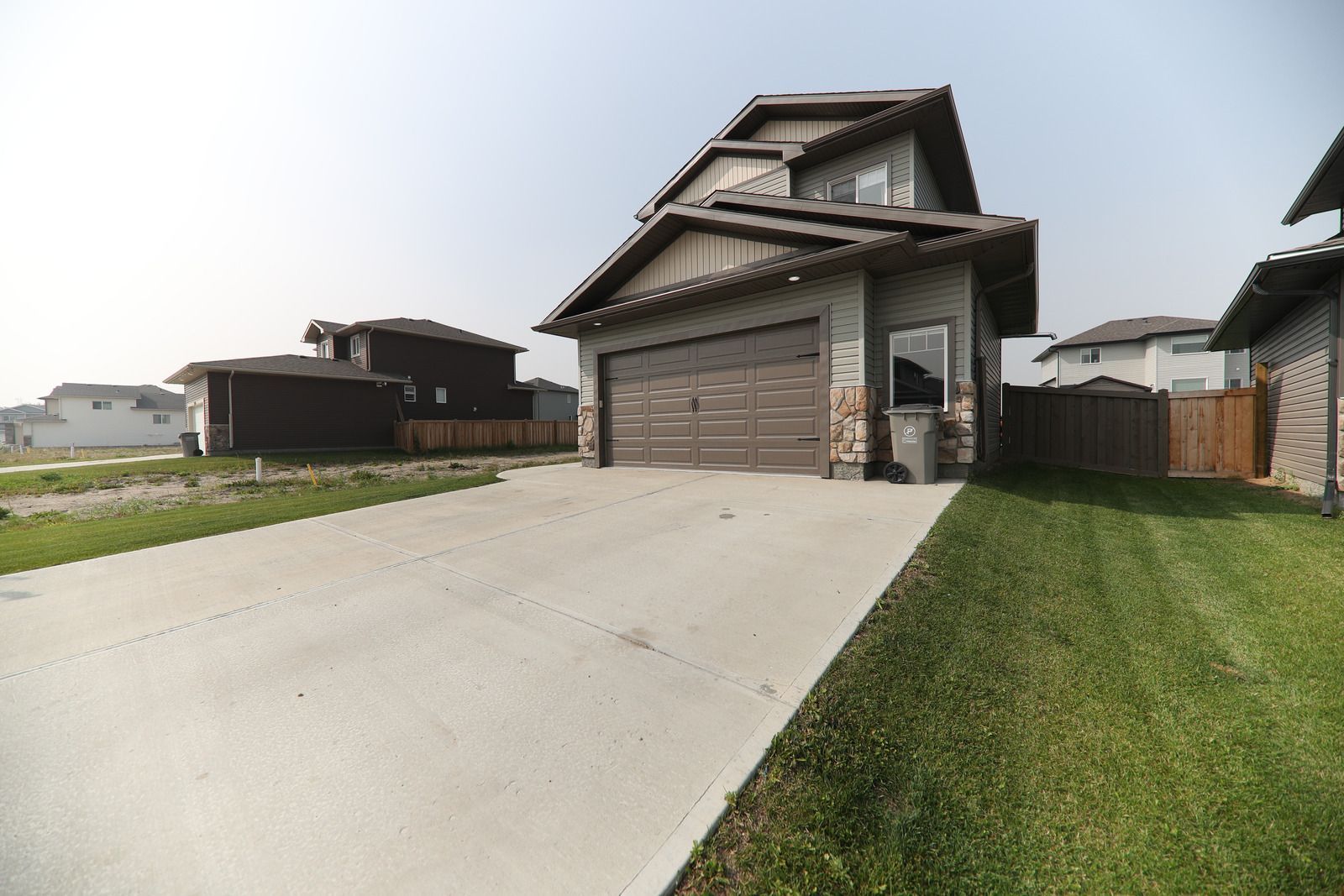
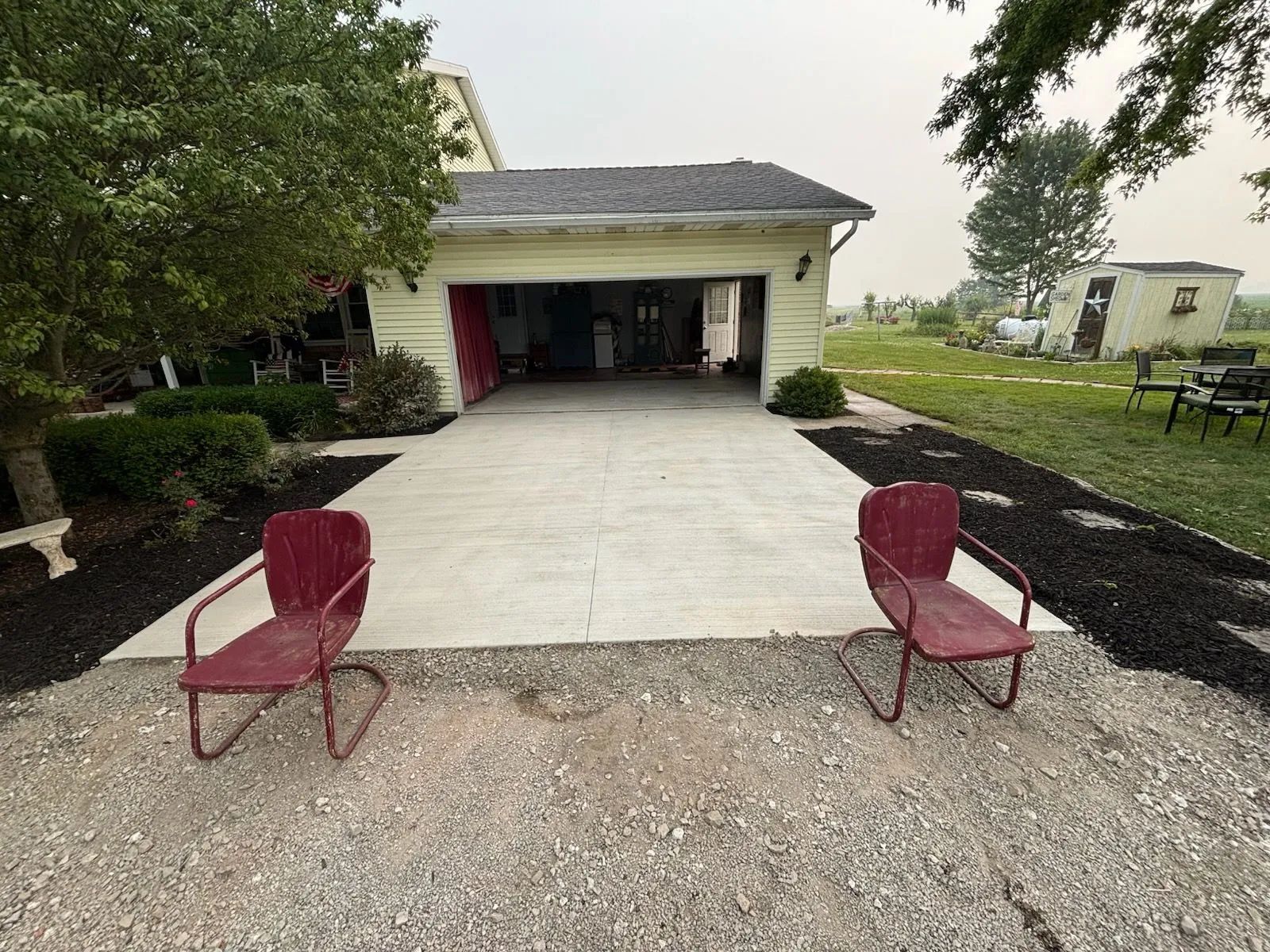
Concrete remains one of the most widely used paving materials due to its durability, versatility, and affordability. It can withstand heavy loads, making it an excellent option for driveways, while also being customizable for patios and walkways. Concrete’s adaptability allows for smooth finishes, exposed aggregates, or stamped designs that mimic stone or brick, enhancing aesthetic appeal without sacrificing function. Its long lifespan reduces the need for frequent repairs, and when properly sealed, it resists water penetration, staining, and freeze-thaw cycles common in temperate climates.
Challenges and Considerations
Despite its advantages, concrete requires careful installation and maintenance. Improper curing or poor subgrade preparation can lead to cracking over time. Expansion joints are essential to manage movement and prevent unsightly fissures. Staining, although optional for aesthetic enhancement, adds additional maintenance considerations to prevent fading. While concrete is generally low-maintenance, periodic sealing is recommended to retain its appearance and protect it from moisture and chemicals.
Best Practices for Installation
Ensuring a stable base is critical for concrete longevity. Proper grading and compacting of the subgrade prevent settling and cracking. Reinforcement with rebar or wire mesh enhances structural integrity, especially for driveways that carry vehicular loads. For decorative applications, stamped or stained concrete should be sealed after curing to preserve color and pattern. Expert installation techniques, combined with quality materials, maximize durability and curb appeal, making concrete a reliable choice for both residential and commercial spaces.
Asphalt: Durable and Cost-Effective
Advantages of Asphalt
Asphalt is a popular paving material for driveways due to its cost-effectiveness and quick installation process. Unlike concrete, asphalt remains flexible under temperature fluctuations, reducing the likelihood of cracking in colder climates. Its dark color absorbs heat, which can aid in snow and ice melting during winter, enhancing safety. Asphalt driveways are easy to maintain, and minor surface damage can often be repaired with patching or resurfacing, extending the functional lifespan of the pavement.
Limitations to Consider
While asphalt provides a smooth and functional surface, it has aesthetic limitations compared to decorative concrete or stone. It can fade over time and may require regular sealcoating every few years to maintain appearance and protect against water penetration and UV damage. Oil spills and heavy vehicle use can also impact its surface integrity. Drainage planning is critical, as standing water can accelerate wear and lead to potholes or rutting.
Ideal Applications and Maintenance
Asphalt is ideal for large driveways, parking areas, and areas prone to freeze-thaw cycles, thanks to its flexibility. Installing asphalt over a properly graded and compacted base ensures long-term performance. Routine inspections and prompt repairs of cracks or depressions prevent minor issues from becoming costly problems. Sealcoating at regular intervals preserves appearance, reduces water infiltration, and enhances durability, ensuring asphalt remains a reliable paving choice for decades.
Pavers: Style and Function Combined
Aesthetic Appeal
Interlocking pavers offer a unique combination of functionality and aesthetic versatility, making them an excellent choice for driveways, patios, and walkways. Available in various materials such as concrete, clay, or natural stone, pavers come in diverse shapes, colors, and patterns. This customization allows for intricate designs that can complement architectural styles or create standout focal points in outdoor spaces. Pavers can mimic the appearance of cobblestone, brick, or even natural stone at a fraction of the cost, adding visual interest and curb appeal.
Performance and Longevity
Pavers are durable and can handle heavy loads when installed on a properly prepared base. Unlike poured concrete or asphalt, individual pavers can shift slightly without cracking, which makes them ideal for regions with soil movement or fluctuating temperatures. Damaged pavers can be replaced individually without disrupting the surrounding surface, reducing long-term repair costs. Additionally, permeable pavers promote water drainage, which minimizes runoff and helps prevent pooling on driveways and patios.
Installation and Maintenance Tips
Installation requires careful base preparation and precise alignment to ensure longevity. A layer of compacted gravel and sand creates a stable foundation, while joint sand locks pavers in place and prevents movement. Maintenance involves occasional weed control, cleaning, and replenishing joint sand as needed. Sealing pavers enhances color vibrancy and provides protection against staining, making interlocking pavers a practical and visually appealing option for outdoor paving projects.
Natural Stone: Timeless Elegance
Benefits of Natural Stone
Natural stone, including granite, slate, limestone, and flagstone, provides an elegant and timeless paving option. Stone surfaces convey a sense of luxury while offering exceptional durability. Their inherent color variations and textures make each installation unique, adding character to driveways, patios, and walkways. Stone is resilient against weathering, UV exposure, and heavy foot traffic, making it a practical choice for outdoor applications that require both form and function.
Challenges and Considerations
Natural stone is often more expensive than concrete or asphalt, both in terms of materials and installation labor. Cutting and fitting stones require skilled craftsmanship, and irregular shapes may necessitate additional time for precise alignment. Stone surfaces can be slippery when wet, so textured finishes or anti-slip treatments are recommended for walkways and patios. Regular cleaning and sealing are required to preserve color and prevent staining from environmental exposure.
Best Practices for Stone Installation
Proper base preparation is critical for stone paving. A compacted gravel bed with appropriate drainage ensures stability, while polymeric sand or mortar fills joints to secure stones in place. Selecting stone thickness appropriate to the intended use—thicker for driveways, thinner for patios or walkways—enhances durability and reduces maintenance needs. Professional installation ensures a polished, long-lasting surface that balances aesthetics and functionality, making natural stone an investment in both beauty and resilience.
Brick: Classic Charm with Modern Performance
Advantages of Brick Paving
Brick paving combines traditional charm with robust performance, offering a warm, inviting aesthetic for patios, walkways, and driveways. Fired clay bricks are highly durable, resistant to fading, and capable of withstanding heavy loads when properly supported. Their modular nature allows for creative patterns such as herringbone, basket weave, or running bond, enhancing visual appeal and architectural harmony. Brick is also naturally fire-resistant and environmentally friendly, as many bricks are made from sustainable materials.
Limitations to Consider
Bricks can be susceptible to shifting or settling if the base is inadequately prepared. Moss or weed growth in joints can occur in damp environments, requiring regular maintenance. Uneven settling over time may necessitate re-leveling or replacing individual bricks. Cost considerations are also higher than basic concrete or asphalt, particularly when factoring in professional installation and specialized patterns.
Installation and Maintenance Best Practices
Brick paving requires a well-compacted base and proper jointing material, such as sand or mortar, to prevent movement. Sealing bricks enhances color and provides added protection against moisture and staining. Regular cleaning to remove dirt and debris preserves surface integrity, while attention to joint maintenance prevents weed growth and shifting. When installed correctly, brick paving provides a durable, visually appealing surface that stands the test of time and complements a variety of architectural styles.
Trusted Professionals Ensuring Quality Driveways and Patios
Selecting the right paving material is crucial for creating driveways, patios, and walkways that are both functional and visually appealing. Each paving option—from concrete and asphalt to pavers, natural stone, brick, and gravel—offers distinct advantages and challenges. Concrete provides durability and versatility for long-lasting performance. Asphalt offers cost-effective, flexible solutions suitable for variable climates. Interlocking pavers combine style and functionality with easy maintenance, while natural stone adds timeless elegance and resilience. Brick paving delivers classic charm with customizable patterns, and gravel provides an affordable, flexible option for both short-term and permanent installations. Understanding the strengths, limitations, and installation requirements of each material allows for informed decisions that enhance property value, safety, and aesthetics.
At TrueSet Construction LLC, we bring 10
years of experience in concrete contracting to
every paving project in Lima, Ohio. Our expertise ensures precise installation, high-quality materials, and attention to detail, resulting in driveways, patios, and walkways that withstand time and traffic while enhancing curb appeal. By combining craftsmanship, industry knowledge, and a commitment to customer satisfaction, we provide paving solutions tailored to specific needs. Whether installing a new driveway, renovating a patio, or designing a custom walkway, our focus is on delivering results that are both durable and visually striking. Entrusting paving projects to us means benefiting from years of proven experience, meticulous workmanship, and professional guidance every step of the way.