The Essential Guide to Understanding Masonry Work for Your Home or Business
Masonry work has been a cornerstone of construction for centuries, forming the structural and aesthetic foundation of homes, commercial buildings, and public spaces. From brick facades and stone pathways to reinforced concrete walls and retaining structures, masonry combines durability, functionality, and architectural appeal. Whether you are constructing a new building, renovating an existing property, or planning exterior improvements, understanding masonry work is essential to making informed, cost-effective decisions.
In today’s competitive construction environment, property owners must balance structural integrity, visual design, long-term maintenance, and budget considerations. Masonry plays a vital role in achieving this balance. High-quality masonry work enhances curb appeal, improves energy efficiency, and strengthens a building’s resilience against weather and wear. Conversely, poor workmanship or material selection can lead to cracking, water intrusion, and costly repairs. This guide provides a comprehensive overview of masonry systems, materials, techniques, and best practices to help you evaluate your project needs with confidence and clarity.
1. What Is Masonry Work? Foundations of a Durable Structure
Understanding the Core Definition
Masonry work involves constructing structures from individual units—such as brick, stone, or concrete blocks—bound together with mortar. These materials are selected for their strength, longevity, and ability to withstand environmental stress. In both residential and commercial construction, masonry serves structural, protective, and decorative purposes.
Unlike wood framing, which relies heavily on internal supports, masonry structures distribute loads more evenly. This makes them particularly valuable for load-bearing walls, foundations, retaining walls, and exterior cladding.
Common Types of Masonry Materials
Brick Masonry
Brick is one of the most recognized masonry materials. It offers fire resistance, thermal mass, and timeless visual appeal. Brick structures are known for their durability and relatively low maintenance requirements.
Stone Masonry
Natural stone provides unmatched aesthetic value and strength. While more labor-intensive, stone masonry is often chosen for high-end residential and commercial projects where visual distinction is a priority.
Concrete Block Masonry (CMU)
Concrete masonry units are widely used in commercial construction due to their strength and cost efficiency. CMUs can be reinforced with steel and grout for additional structural capacity.
Concrete Masonry
Poured concrete systems are essential in foundations, slabs, sidewalks, and structural walls. Proper reinforcement and curing are critical to long-term performance.
Structural vs. Veneer Masonry
Structural masonry supports loads directly. Veneer masonry, on the other hand, is attached to a structural frame for aesthetic purposes. Understanding the difference is critical when planning a project, as costs, installation methods, and engineering requirements vary significantly.
2. Benefits of Masonry for Homes and Businesses
Long-Term Durability and Strength
One of the most compelling benefits of masonry work is its exceptional long-term durability. Brick, stone, and concrete structures can last for decades with minimal visible deterioration when properly designed and installed correctly. Unlike materials susceptible to rot, corrosion, or insect damage, masonry reliably withstands extreme weather conditions, prolonged fire exposure, and heavy impact forces.
For commercial properties, this structural resilience translates directly into reduced long-term repair costs, fewer liability concerns, and improved overall building safety.
Energy Efficiency and Thermal Performance
Masonry materials possess high thermal mass properties, meaning they absorb heat during the day and release it slowly at night. This natural process stabilizes indoor temperatures, improves comfort levels, and reduces reliance on heating and cooling systems.
Fire Resistance and Safety
Brick, natural stone, and reinforced concrete are inherently non-combustible construction materials. This makes masonry buildings structurally safer and more resilient in the event of a fire emergency. Many modern building codes and safety regulations favor masonry systems for this reason, especially in large-scale commercial applications.
Low Maintenance Requirements
Compared to wood siding, composite panels, or vinyl cladding, masonry surfaces require relatively minimal ongoing upkeep. Occasional cleaning, protective sealing, and routine mortar joint inspection are typically sufficient to maintain long-term structural integrity and exterior appearance.
Enhanced Property Value
High-quality masonry construction significantly improves exterior curb appeal and overall market value. A well-built natural stone entryway, classic brick facade, or professionally installed reinforced concrete driveway can strongly influence buyer perception and final resale price.
3. Common Masonry Applications in Residential and Commercial Projects
Foundations and Structural Walls
Foundations form the structural backbone of any residential or commercial building. Concrete masonry units and poured reinforced concrete foundations provide long-term stability, prevent settlement issues, and safely support the weight of the entire structure above. Proper site preparation, strategic drainage planning, soil compaction, and structural reinforcement are essential to avoid cracks and future water intrusion problems.
Retaining Walls and Hardscapes
Retaining walls serve both critical structural and aesthetic landscaping purposes. They effectively manage soil movement, control erosion, improve site drainage, and enhance overall landscape design appeal. In commercial properties, they can also create safe, level surfaces for parking lots, pedestrian walkways, and outdoor gathering areas.
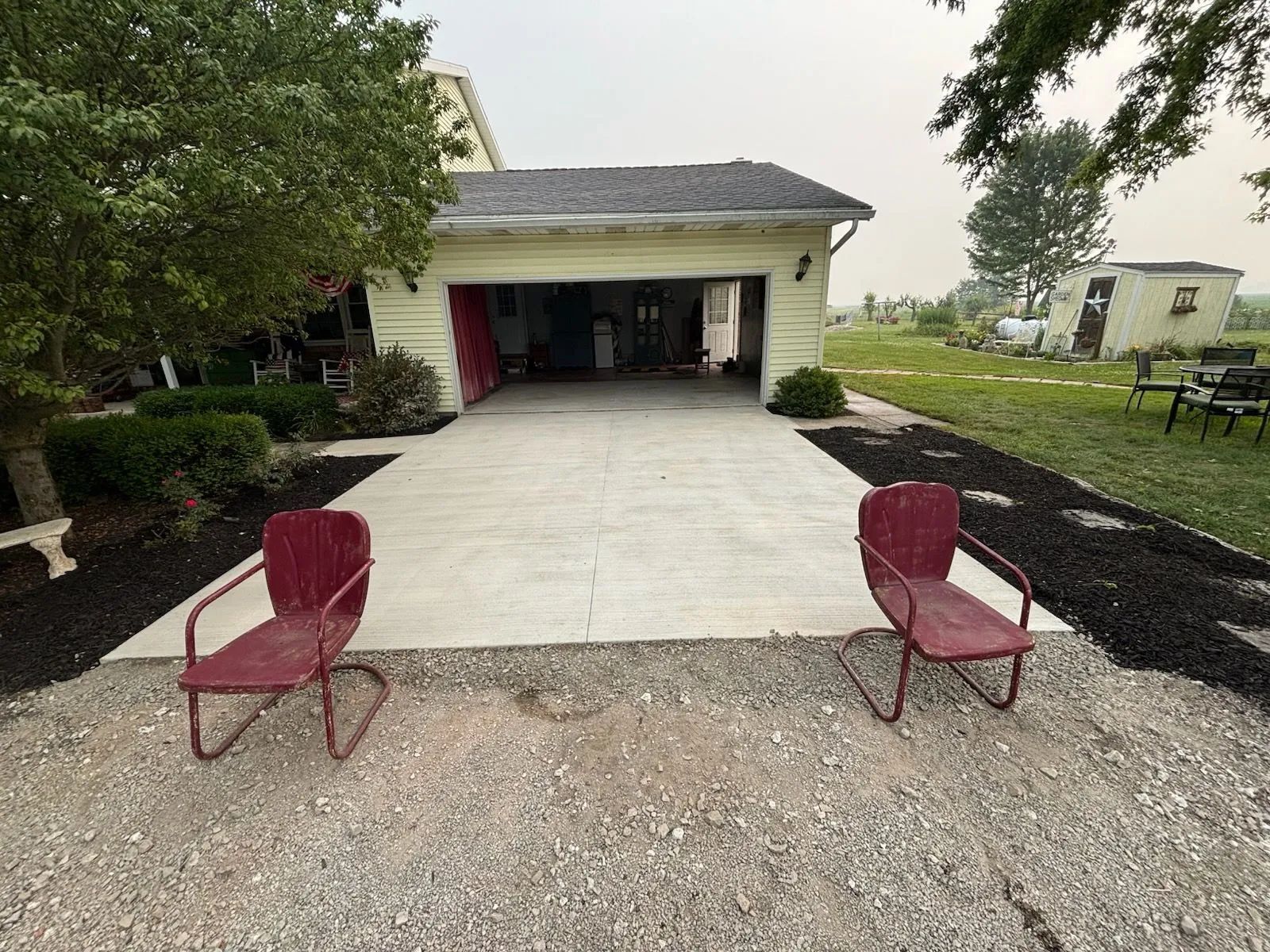
Hardscapes such as patios, walkways, driveways, and courtyard spaces are common residential masonry applications. Concrete slabs and interlocking pavers must be installed with proper sub-base preparation, grading accuracy, and compaction to prevent long-term shifting and cracking issues.
Chimneys and Fireplaces
Chimneys and fireplaces require precise, code-compliant masonry work to ensure proper ventilation, structural integrity, and fire safety standards. Improper construction techniques can lead to smoke leakage, draft inefficiencies, structural instability, or serious fire hazards.
Commercial Facades and Exterior Cladding
In commercial construction projects, masonry facades provide exceptional durability and a clean, professional architectural aesthetic. Brick and natural stone veneers are commonly used for offices, schools, healthcare facilities, and retail spaces due to their longevity, weather resistance, and low maintenance requirements.
Repairs and Restoration
Older residential and commercial buildings often require tuckpointing, structural crack repair, mortar joint replacement, or partial reconstruction. Timely professional restoration prevents minor surface issues from escalating into major structural damage and costly long-term repairs.
4. Challenges in Masonry Work and How to Avoid Them
Water Intrusion and Drainage Issues
Water is one of the biggest threats to masonry structures over time. Poor drainage, improper flashing installation, or inadequate exterior sealing can lead to efflorescence, mold growth, and internal structural damage. Installing properly designed weep holes, ensuring correct site grading, and applying high-quality waterproof membranes significantly reduces long-term moisture-related risk.
Cracking and Structural Movement
All buildings naturally experience some movement due to temperature fluctuations, soil shifts, and seasonal expansion cycles. Without properly installed expansion joints and adequate structural reinforcement, masonry surfaces can crack prematurely. While minor hairline cracks are relatively common, large, widening, or spreading cracks often indicate deeper structural concerns requiring immediate professional assessment.
Improper Mortar Mixing
Mortar strength must always be compatible with the specific masonry units being installed. Mortar that is excessively strong can cause surrounding bricks or blocks to crack under stress, while mortar that is too weak may fail prematurely under load. Correct mixing proportions, material consistency, and proper curing practices are absolutely essential for durability.
Poor Workmanship
Masonry work requires technical precision, detailed planning, and hands-on experience. Uneven mortar joints, inconsistent alignment, and inadequate reinforcement placement compromise both structural stability and overall visual appearance. Hiring qualified, licensed professionals ensures compliance with local building codes, industry standards, and long-term structural reliability.
5. Best Practices for Planning and Executing Masonry Projects
Conduct a Detailed Site Evaluation
Soil conditions, drainage patterns, load requirements, and surrounding environmental factors should be carefully assessed before construction begins. This proactive evaluation reduces the likelihood of future settlement issues, moisture intrusion problems, or foundation instability.
Choose the Right Materials for Your Climate
Climate conditions play a significant and measurable role in long-term masonry performance. Freeze-thaw cycles, excessive humidity, heavy rainfall, and temperature extremes directly influence proper material selection. Using region-appropriate, tested materials enhances structural durability and significantly reduces ongoing maintenance costs.
Prioritize Proper Reinforcement
Steel reinforcement bars, structural ties, and properly placed control joints substantially improve overall structural resilience. In load-bearing applications and foundation systems, engineered reinforcement is completely non-negotiable for safety and long-term performance.
Ensure Proper Curing
Concrete and mortar mixtures must cure correctly under controlled conditions to achieve maximum design strength. Rushing or neglecting the curing process weakens the entire structure and significantly increases the likelihood of surface cracking and long-term deterioration.
Schedule Routine Inspections
Even the most durable masonry systems benefit from consistent, scheduled professional inspections. Identifying minor mortar joint deterioration, moisture intrusion points, or hairline cracks early prevents more extensive and costly structural repairs later.
Work With Experienced Professionals
Masonry combines structural engineering principles with refined craftsmanship and technical execution. Choosing experienced, reputable contractors ensures that materials, reinforcement placement, and finishing techniques properly align with both structural requirements and aesthetic project goals.
Experience-Driven Concrete Services Built for Longevity
Masonry work remains one of the most reliable and versatile construction methods available for residential and commercial properties. From foundations and structural walls to decorative facades and outdoor hardscapes, masonry offers unmatched durability, fire resistance, and long-term value. However, its performance depends heavily on proper material selection, professional installation, and ongoing maintenance.
TrueSet Construction LLC, a trusted concrete contractor based in Lima, Ohio, brings 10 years of hands-on industry experience to every project. With a strong commitment to structural precision, code compliance, and long-term durability, the company specializes in delivering dependable concrete and masonry solutions tailored to both residential and commercial needs. Their expertise spans foundations, flatwork, structural concrete installations, and customized masonry applications designed to withstand demanding environmental conditions.
What sets us apart is a disciplined approach to planning, material selection, and execution. Every project begins with a detailed assessment to ensure proper reinforcement, drainage considerations, and curing practices are in place. By combining technical knowledge with skilled craftsmanship, TrueSet Construction LLC
continues to build structures that reflect strength, reliability, and professional excellence.